Land Use
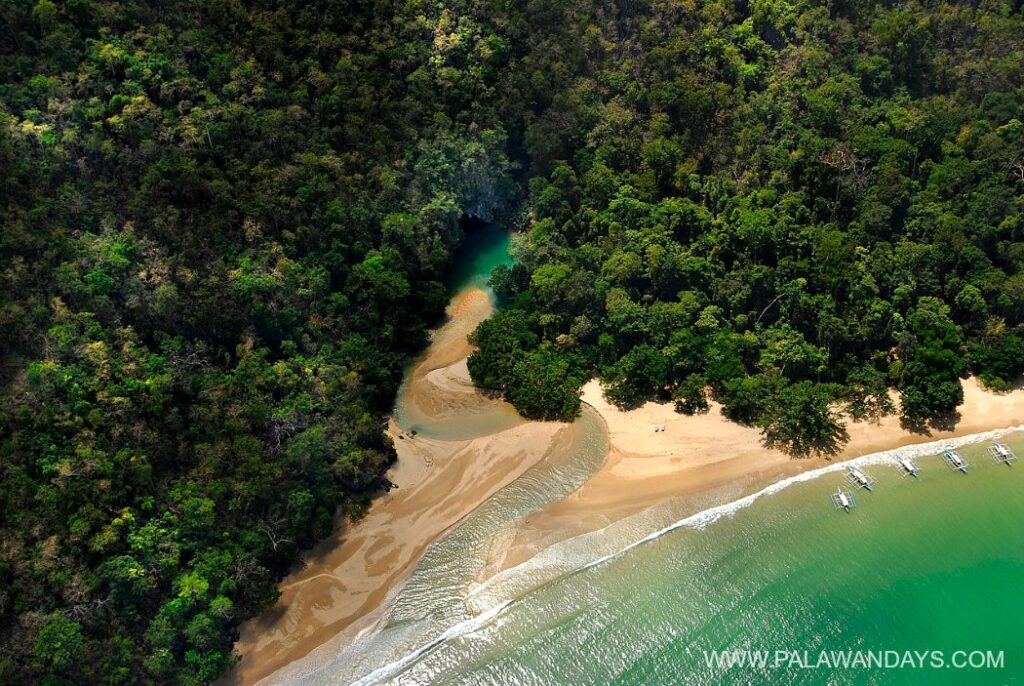
Land use within the Puerto Princesa Subterranean River National Park (PPSRNP) is diverse, reflecting both its ecological significance and human activity. The park is primarily composed of primary and secondary forests, which together cover more than half of its total area and are strictly designated for conservation purposes to protect the unique biodiversity and ecological processes of the region. Brushlands and grasslands occupy transitional areas between the dense forest and human-modified landscapes, providing important habitats for various wildlife species.
Human activity within the park is largely concentrated around cultivated lands and paddy fields, which are primarily located in and around settlements. These areas are used for growing rice and cultivating fruit trees, supporting local communities’ livelihoods while coexisting with the surrounding natural environment. Built-up areas are mainly found along roadways and coastal zones, reflecting the limited footprint of human infrastructure. Tourist establishments, which form a significant portion of the park’s development, are largely concentrated in Sabang, serving as the gateway for visitors exploring the underground river and surrounding natural attractions. This careful distribution of land use highlights the balance between conservation, community needs, and sustainable tourism within the park.